 |
27 Jun 2026 | 10.15
|
27 Jun 2026 | 10.15





 Premier League


 PUBLICIDAD
Uruguay exits the World Cup through the back door. The Uruguayan national team, one of the candidates to fight for a significant role in the tournament, has been eliminated at the first hurdle after a very disappointing group stage. The blow is even harder given the context: they shared a group with Spain, Cape Verde, and Saudi Arabia, and even had a chance to qualify as one of the best third-placed teams. All the World Cup news.
None of that was enough. Uruguay drew against Cape Verde, dropped points against Saudi Arabia, and ended up losing to Spain on the final matchday. Three games, too many doubts, and an elimination that is already seeking those responsible. The most criticized name is that of Fernando Muslera, the negative protagonist of a group stage that ended in disaster.
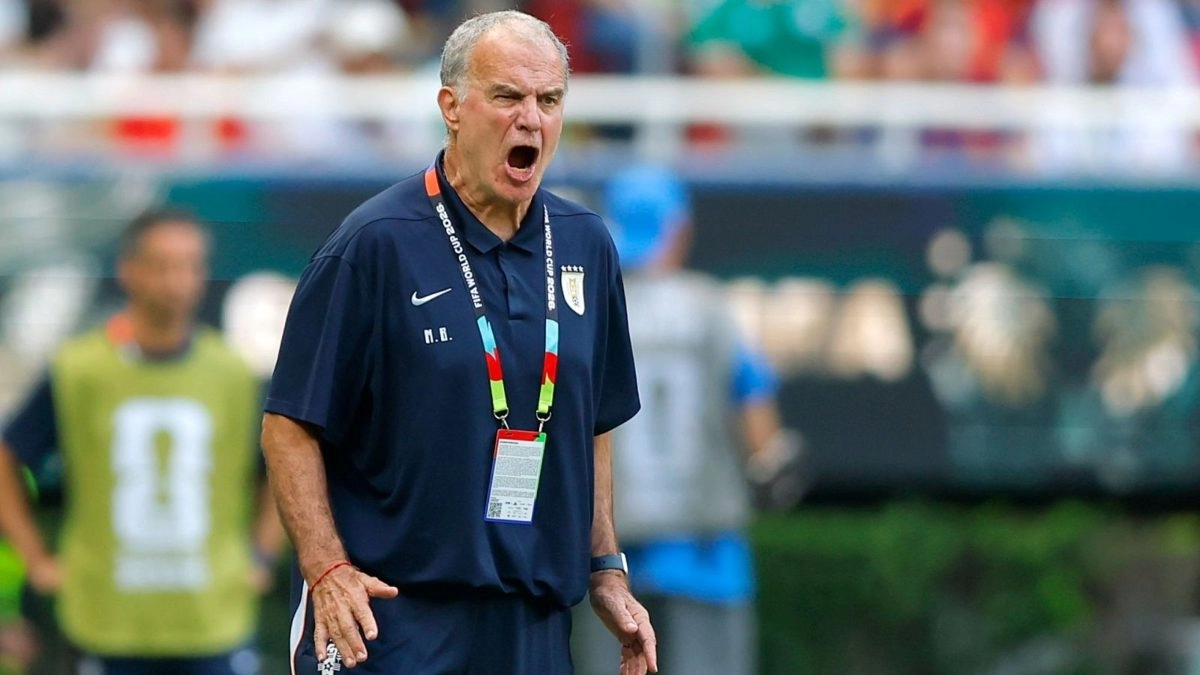
Uruguay falls in a seemingly manageable group: Marcelo Bielsa points fingers at Fernando Muslera as the main culprit
Uruguay's elimination is one of the big surprises of the World Cup. Marcelo Bielsa's team had a competitive squad, key players in Europe, and a talented generation capable enough to navigate through the group stage without many issues. Moreover, the tournament format offered an escape route: eight out of twelve third-placed teams would advance to the next round.
Hence, the failure hurts even more. Uruguay did not need a flawless group stage. They just needed to compete well, win one of the matches against theoretically weaker opponents, and stand up against Spain. However, the Uruguayan team never found continuity, security, or the assertiveness that has historically defined its style of play.
The draws against Cape Verde and Saudi Arabia had the team unsettled before the final matchday. Uruguay entered the game against Spain with the obligation to react but once again showed defensive fragility and a lack of clarity in crucial moments. The defeat sealed an elimination that seemed unthinkable before the tournament began.
The dressing room is shaken, Bielsa is under scrutiny, and Muslera emerges as the prime target.
Fernando Muslera entered the World Cup surrounded by a comeback story. At 40 years old, the veteran goalkeeper had earned his spot in the squad after a remarkable season in Argentina with Estudiantes de La Plata. His club performance convinced Marcelo Bielsa, despite not playing in the World Cup qualifiers.
However, the gamble turned sour. Muslera failed to provide the needed security in the group stage, and his errors weighed heavily on Uruguay's fate. The goalkeeper displayed shortcomings in crucial moments that proved decisive, especially in the goals conceded against Cape Verde and Spain's game-winner.
EL GOL DE BAENA 🔥
— DAZN España (@DAZN_ES) June 27, 2026
EL REGALO DE MUSLERA 🤝
ESPAÑA LO GRITA. ESPAÑA LO AGRADECE.#DAZNMundial pic.com/Z786uktRMs
In a short tournament, details hold immense value. Uruguay paid a steep price for every mistake. Muslera, with his experience and background, was supposed to provide stability. Yet, he ended up triggering the opposite: doubts, nervousness, and a sense that the goal was not adequately guarded as the team needed.
The image of the veteran goalkeeper was severely tarnished. His World Cup was not that of a leader capable of carrying the team but that of a goalkeeper overwhelmed by the demanding setting.
Marcelo Bielsa also comes into the spotlight. The coach backed Muslera from the start and maintained his trust despite doubts arising in the initial two matches. The decision to substitute him at halftime against Spain was a clear sign that something was amiss, but by then, the damage was already done.
The change came too late. Uruguay needed an immediate reaction and a secure goalkeeping from the first minute of the final matchday. Instead, they encountered further errors that affected the game and left the team without room for a response.
Bielsa will have to explain why he stuck with such a risky choice. Muslera had experience, leadership, and an impressive career, but he also entered the tournament at 40 years old and without participating in the qualifying matches. This lack of continuity with the national team was a factor that could not be ignored.
The Argentine coach has always been loyal to his principles, but this time, his goalkeeping decision might overshadow the entire analysis of the failure. Uruguay did not fall solely because of Muslera, but his errors were too glaring to be overlooked.
Uruguay leaves the World Cup with a sense of missed opportunity. They had the group, the squad, and the format to progress. Yet, they failed. The Uruguayan team could not overcome Cape Verde or Saudi Arabia, and when the moment of truth against Spain arrived, they could not find the required response.
The failure demands deep reflection. There were influential players who did not meet expectations, questionable technical decisions, and a lack of assertiveness uncharacteristic of a team that has always built its identity on competitiveness. Nevertheless, the goalkeeping department bears a substantial amount of criticism.
Fernando Muslera emerges as the primary scapegoat of a painful elimination. His return to the grand stage turned into a nightmare. What seemed like a tale of experience and reward for his season at Estudiantes ended up being one of the team's weakest links.
Uruguay will have to rebuild after a harsh blow. The World Cup ends too soon for a team that aspired to much more and could not progress past a group stage that seemed entirely manageable. The downfall highlights specific individuals, contentious decisions, and an evident conclusion: the Uruguayan disaster started in the goalkeeping department.
This news is an automatic translation. You can read the original news, El gran señalado de Bielsa tras quedar fuera del Mundial
-
 12 Oct 2026 | 12:00David Otorbi demands a starting position at Valencia
 -
 12 Oct 2026 | 15:00Riyad Mahrez, the star signing that Atlético de Madrid could make
 -
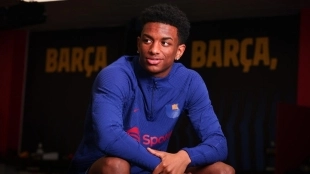 12 Oct 2026 | 11:00There is no possible solution for Balde in Barcelona
 -
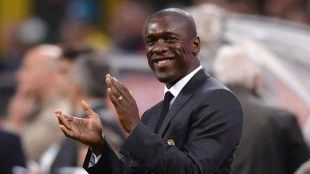 12 Oct 2026 | 13:00Seedorf returns to the sidelines after seven years
 -
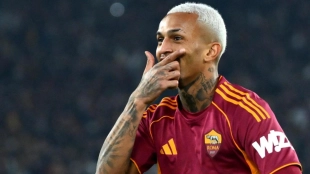 12 Oct 2026 | 14:00Liverpool goes for Wesley
 -
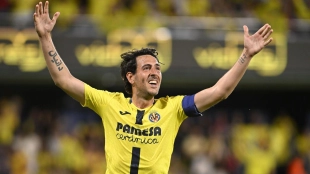 12 Oct 2026 | 15:00Getafe Presents an Offer to Dani Parejo
 -
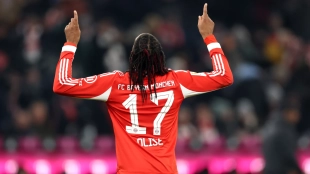 12 Oct 2026 | 15:00Olise moves away from Real Madrid
 -
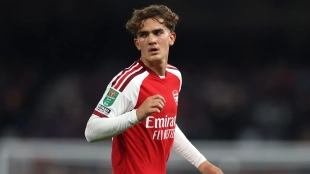 12 Oct 2026 | 17:00Arsenal is studying the departure of Max Dowman
 -
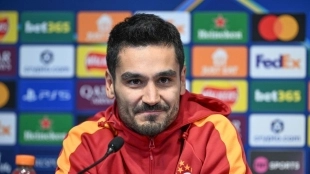 12 Oct 2026 | 10:00Galatasaray wants to keep Gundogan out of sight
 -
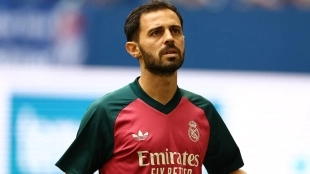 12 Oct 2026 | 13:00Bernardo Silva disappears at Real Madrid
 -
 12 Oct 2026 | 19:00Real Madrid and FC Barcelona are after Florian Wirtz
 -
 12 Oct 2026 | 16:00Simeone speaks clearly about Julián Álvarez