


 |
2 Sep 2026 | 00.30
|
2 Sep 2026 | 00.30





 La Liga


 PUBLICIDAD
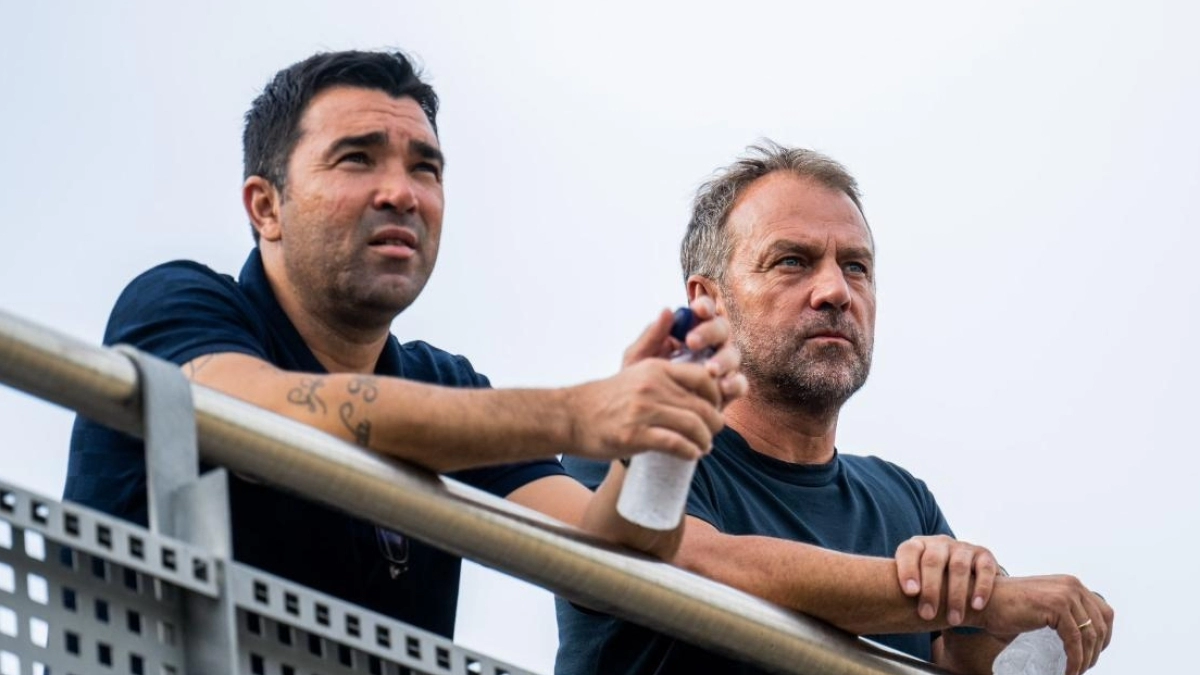
FC Barcelona has closed the assembly of its squad to face the 2026/27 season in LaLiga and the UEFA Champions League. The project led by Hansi Flick begins the season with a perfect record of victories in the first 3 league matches, displaying a footballing pace that puts them several steps ahead of most domestic rivals. How successful was Barcelona's transfer market?
However, a detailed analysis of the summer transfer window conducted by the sports management team led by Deco yields a bittersweet diagnosis: the team boasts a top-tier midfield but maintains structural deficiencies in areas that will determine its real competitive ceiling against the continent's major powers.
The transformation in attack: the gamble on Raphinha's "false '9"
FC Barcelona's forward line required a radical redesign after the departures of Robert Lewandowski and Ferran Torres, leaving the first team without a traditional target man. Following the failed attempt to sign Julián Álvarez— a move that was the major disappointment of Barça's summer— the sports management team opted for a restructuring based on dynamism. The signings of Anthony Gordon, Karim Adeyemi, and the young prospect Jesse Bisiwu provide Hansi Flick with a top-level external rotation to complement Lamine Yamal.
The true key to the new system lies in Raphinha's conversion to the false nine position. The Brazilian has promptly responded to the German coach's tactics by scoring 5 goals in the first 3 matches of the championship. As a direct alternative, Gabriel Jesus, signed at the last minute from Arsenal for €10 million (€8.5 million pounds), is included. However, the injury history of the Brazilian international raises doubts about whether the squad can maintain the goal-scoring prowess throughout a full season without a world-class specialist '9'.
Upgrade in the midfield with Rodri's arrival
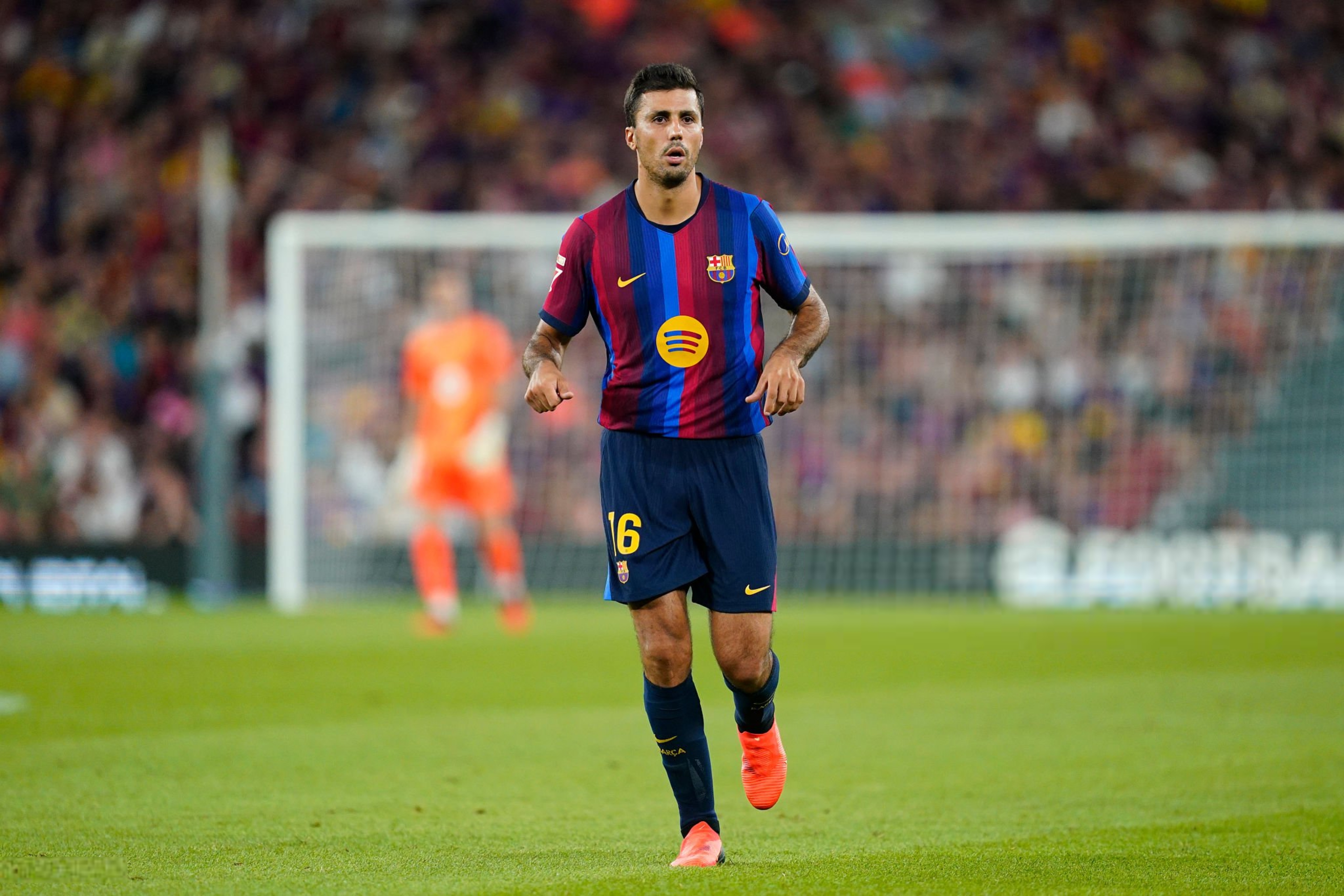
Deco's management excels in the midfield. The signing of Rodri Hernández, awarded as the MVP of the 2026 World Cup and recognized as the most dominant central midfielder internationally, significantly enhances FC Barcelona's hierarchy. The arrival of the Madrid native led to the departure of Marc Casadó due to a lack of playing time in the rotation, solidifying a midfield with limitless tactical resources.
Hansi Flick now has a roster of midfielders that combine control, attacking prowess, and defensive presence. With Rodri anchoring the midfield, the coach can alternate between players like Pedri, Marc Bernal, Gavi, Fermín López, and Dani Olmo. Frenkie de Jong will join this mix in the later stages of the competition, as he approaches the final phase of rehabilitating his injury. This abundance of profiles ensures that the Catalan team dominates the pace of play in most scenarios.
Defensive weaknesses: a rotation without top-class center-backs
The critical point in FC Barcelona's planning revolves around the central defense position. The only addition to the backline was João Cancelo, currently in a secondary role on the bench due to the emergence of academy product Xavi Espart on the left flank. The board failed to secure the arrival of a top-level left-footed center-back, a deficiency compounded by the loan of Ronald Araújo to Liverpool in the final stretch of the transfer window.
The central defensive rotation for all competitions comprises solely of Pau Cubarsí, Eric García, Gerard Martín, and Andreas Christensen. This group of defenders raises the same doubts that plagued the team in the previous season against physically dominant forward lines. Cubarsí remains the cornerstone of the defense; however, the lack of an experienced right-sided partner or a left-footed corrective profile exposes the team in high-stakes matchups.
Market assessment and the Champions League test
Deco's overall management review reveals a squad rich in associative resources but lacking on the fringes of the field. Rodri's addition supports the argument that the current squad is an improvement over last year's, although defensive performance and efficiency without a natural finisher will determine if the group is capable of conquering Europe.
Hansi Flick will assess the defense during the initial phase of the UEFA Champions League group stage. If the deficiencies in key areas become evident against top-tier opponents, the Barça board will be forced to turn to the winter transfer market in January to rectify the central defense planning.
This news is an automatic translation. You can read the original news, El mercado del Barça: Rodri frente a las dudas en las áreas
-
 02 Sep 2026 | 00:00Barça's market: Rodri facing doubts in the areas
 -
 02 Sep 2026 | 00:00This is how the summer transfer market closed
 -
 01 Sep 2026 | 18:00Madridistas Score Hat-trick for Arbeloa
 -
 01 Sep 2026 | 22:00Liverpool fails in last-minute signing attempt
 -
 01 Sep 2026 | 20:00Real Betis closes Dani Ceballos' return
 -
 02 Sep 2026 | 01:00Manchester City rebuilds its midfield with 375M
 -
 01 Sep 2026 | 19:00Tagliafico, last-minute option
 -
 01 Sep 2026 | 22:00Chelsea: €55M to replace Enzo Fernández
 -
 01 Sep 2026 | 20:00It is official now: Jonathan David, new forward for Atlético
 -
 01 Sep 2026 | 20:00CLOSED: Marc Casadó will play in Depor
 -
 01 Sep 2026 | 23:00Nicolás Tagliafico will not play at Atlético de Madrid!
 -
 01 Sep 2026 | 21:00New surprise signing for Real Madrid
 -
 01 Sep 2026 | 19:00Latest Signings Before the Market Closes